
Comprehensive Balanced Diet Features for Women
Discover the science-backed approach that empowers women to achieve nutritional balance and sustainable wellness through personalized eating strategies.
The information on this site is for educational purposes only and does not constitute medical advice. Always consult a qualified healthcare professional before making health decisions.
Heart-Centered Nutrition
Tailored macronutrient ratios support cardiovascular health and hormonal balance specific to women's physiological needs.
Plant-Rich Foundations
Abundance of whole foods, legumes, and seasonal vegetables ensure micronutrient diversity and sustained energy levels.
Hormonal Intelligence
Strategic nutrient timing aligned with natural cycles promotes emotional stability and consistent physical performance.
Metabolic Balance
Evidence-based portion control and food combinations optimize digestion and maintain sustainable energy throughout the day.
Why Women Need Specialized Nutrition
Hormonal Fluctuations Require Dietary Strategy
Women's nutritional needs shift across the menstrual cycle, reproductive years, and life transitions. A one-size-fits-all approach ignores these biological realities. Our editorial research shows that iron absorption, calcium utilization, and protein metabolism fluctuate predictably throughout the month—knowledge that conventional diet plans overlook.
Micronutrient Timing
Strategic placement of iron-rich, calcium-dense, and magnesium-loaded foods supports absorption and utilization.
Estrogen-Responsive Nutrition
Phytonutrient and lignin-rich foods work synergistically with natural hormonal patterns.
Sustainable Energy Without Restriction
Balanced plans prevent crash cycles and maintain stable metabolism year-round.
Your 4-Step Journey to Nutritional Balance
Assessment & Understanding
Evaluate your lifestyle, current eating patterns, activity level, and health goals. We help you understand your individual nutritional baseline and priorities without judgment or restrictive labels.
Personalized Planning
Build a customized nutrition framework that fits your life—cultural preferences, budget constraints, cooking time, and family dynamics all matter. No generic meal templates.
Skill Development
Learn practical cooking techniques, label reading, portion awareness, and food pairing strategies. Education empowers you to make confident choices independently.
Integration & Adaptation
Develop sustainable habits that evolve with your life. Regular reflection and minor adjustments ensure your nutrition plan remains relevant and enjoyable long-term.
Key Features at a Glance
Whole-Food Emphasis
Every plan prioritizes minimally processed foods that retain maximum nutritional value. Focus on vegetables, whole grains, legumes, nuts, seeds, and high-quality proteins aligned with sustainable farming practices and local food systems where possible.
Macronutrient Intelligence
Optimal carbohydrate, protein, and fat ratios vary by individual metabolism, activity level, and health profile. Our approach matches your specific needs rather than applying arbitrary percentages, ensuring sustained energy and hormonal support.
Cycle-Aware Nutrition
Plans acknowledge hormonal fluctuations across the menstrual cycle with strategic nutrient adjustments during follicular, ovulatory, luteal, and menstrual phases—boosting iron intake when needed, increasing magnesium before menstruation, and timing carbohydrates wisely.
Educational Transparency
Understand the why behind every recommendation. We explain how nutrients support bone health, skin quality, cognitive function, immune strength, and emotional balance—enabling informed decision-making and long-term empowerment.
Cultural & Lifestyle Flexibility
Nutrition advice that respects your heritage, preferences, budget, and time constraints. Plans integrate seamlessly with your existing life rather than demanding rigid protocols that feel alienating or unsustainable.
Progress Through Reflection
Track energy levels, digestion quality, mood stability, and physical performance—not just numbers on a scale. Regular check-ins help you refine the approach and celebrate progress across multiple wellbeing dimensions.
Balanced Diet Plans in Action

Weekly Meal Planning
Structured weekly frameworks that balance variety with simplicity. Plans showcase breakfast, lunch, dinner, and snack combinations that meet nutritional targets while respecting your kitchen skills and time availability.
Explore Planning Strategies →
Protein & Vegetable Synergy
Evidence-backed food combinations that enhance nutrient absorption and create satisfying meals. Learn which proteins pair best with specific vegetables and how preparation methods affect nutritional availability.
Read Nutritional Science →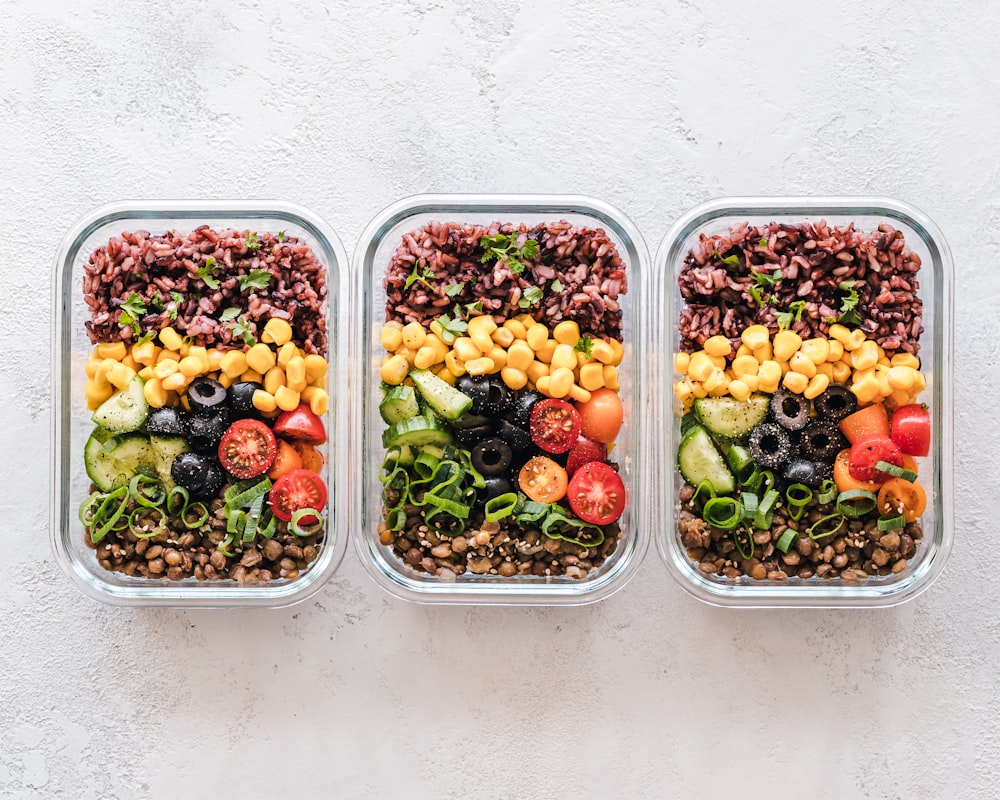
Seasonal & Local Eating
Adapting your nutrition plan to France's seasonal bounty ensures peak freshness, optimal nutrient density, and cost efficiency. Plans adjust quarterly to match available produce and natural eating rhythms.
Discover Seasonal Guides →
Time-Efficient Preparation
Practical strategies for busy women: batch cooking, one-pan meals, smart grocery shopping, and pantry staples that reduce daily cooking time while maintaining nutritional quality and flavor.
Learn Quick Techniques →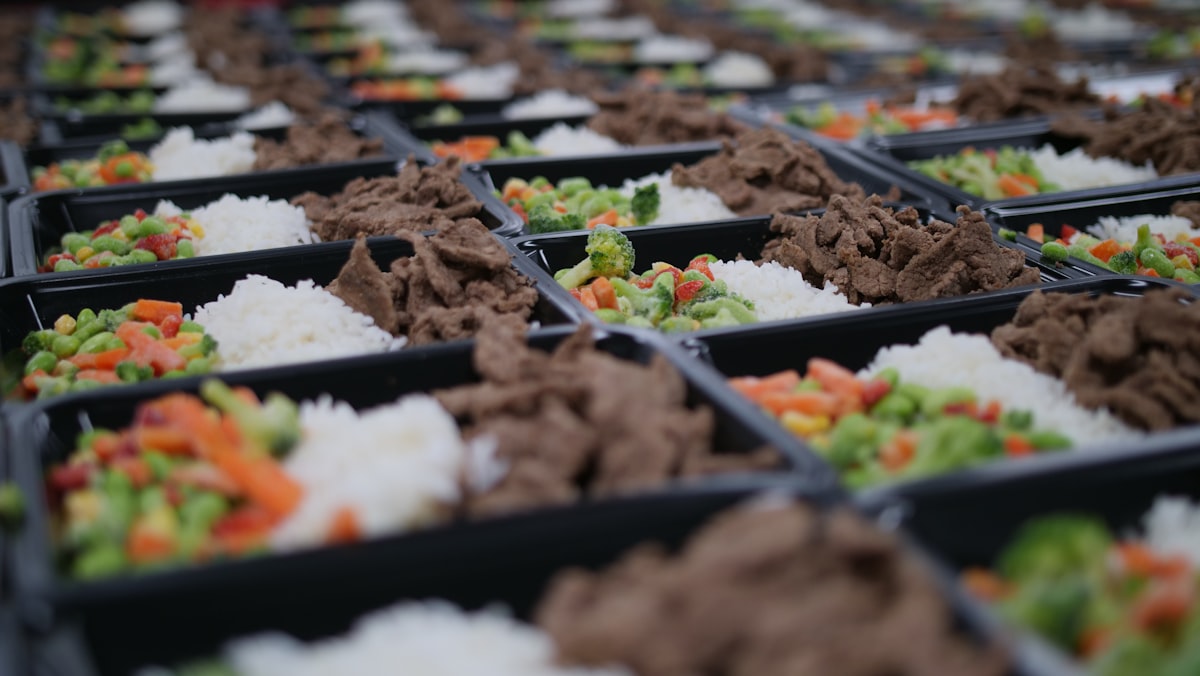
Activity-Matched Nutrition
Different activity levels demand different nutritional strategies. Plans adjust calories, carbohydrate timing, and protein distribution based on your exercise routine, work demands, and rest days for optimal performance and recovery.
Explore Activity Guides →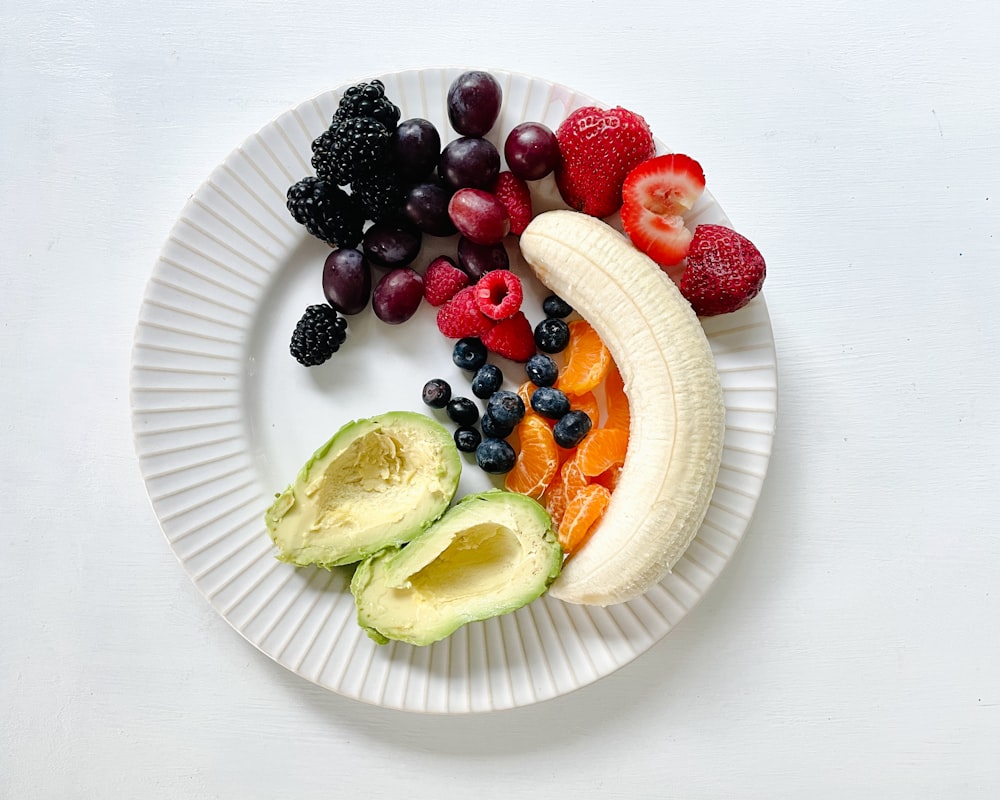
Budget-Conscious Strategies
Nutrition excellence doesn't require expensive ingredients. Plans feature affordable staples, money-saving shopping tactics, and nutrient-dense bargain foods that support health without strain on your finances.
Read Budget Tips →Common Questions Answered
During the follicular phase (days 1-14 of menstruation), estrogen levels rise naturally, improving carbohydrate tolerance and athletic performance. This is an excellent window for intensity-based activities and slightly higher complex carbohydrate intake. The luteal phase (days 15-28) features higher progesterone, which increases metabolic rate and micronutrient needs. Iron absorption peaks mid-cycle, making this ideal for iron-rich meals. Magnesium becomes crucial before menstruation to support mood and muscle function. Understanding these patterns allows you to work with your biology rather than against it.
Absolutely. Plant-based nutrition can be fully balanced and appropriate for women's health when properly structured. Key elements include complete protein combinations (legumes with grains or seeds), reliable B12 sources (fortified foods or supplements), adequate iron intake from varied plant sources paired with vitamin C for absorption, and strategic use of nuts, seeds, and oils for healthy fats. Many cultures have thrived on primarily plant-based diets for centuries. The approach remains personalized and cycle-aware, simply with different food sources for each nutrient category.
Plans adapt completely around allergies and intolerances. Common substitutions exist for gluten (whole grain alternatives), dairy (fortified plant-based options, calcium-rich non-dairy sources), eggs (plant-based binders and protein sources), tree nuts (seeds and legumes), and shellfish. The foundational nutrition principles—micronutrient density, macrobalance, whole foods—remain constant while food choices shift. Many people discover that removing problematic foods actually improves digestion, energy, and overall wellbeing. We work within your constraints to ensure nothing is missing nutritionally.
Positive changes happen at different speeds depending on your baseline and priorities. Energy improvements often appear within 1-2 weeks as blood sugar stabilizes and micronutrients begin replenishing. Digestive improvements typically show within 2-4 weeks. Skin clarity and hair quality may improve over 6-8 weeks as nutrient status deepens. Mood stability and cognitive clarity frequently emerge within 3-4 weeks. Long-term benefits—bone density, cardiovascular strength, hormonal equilibrium—develop across months and years. Progress appears most visible when tracked through energy, sleep quality, mood consistency, and performance rather than single metrics.
Yes, sports nutrition for women requires specific attention to energy availability, carbohydrate timing around training, adequate protein for recovery, and micronutrient sufficiency—especially iron for oxygen transport and calcium for bone density under impact stress. Female athletes also benefit from cycle-aware training nutrition, as carbohydrate needs and recovery capacity shift predictably. Plans integrate workout schedules, sport-specific demands, and hormonal patterns to optimize performance while protecting long-term health. This is different from general population nutrition and should account for intensity, duration, frequency, and your sport's specific demands.
Nutritional needs shift across reproductive years, pregnancy planning, pregnancy, postpartum recovery, perimenopause, and menopause. Teen girls need robust iron and calcium for growing bodies. Women in reproductive years benefit from cycle-aware nutrition and adequate folate if planning pregnancy. Pregnant and breastfeeding women need increased calories, protein, specific micronutrients, and different meal timing. Perimenopause requires extra support for bone density, cardiovascular health, and emotional stability. Postmenopausal women face unique bone and metabolic considerations. Our approach evolves with you, recognizing that a nutrition plan for a 25-year-old differs from one for a 50-year-old—both equally valid, both deeply personalized.
Real Stories from Real Women
"After years of restrictive diets that left me exhausted, learning about cycle-aware nutrition completely transformed how I eat. I finally understand my body's needs across the month. My energy is stable, my mood is better, and I actually enjoy preparing food again. This approach feels sustainable because it's based on science, not punishment."
Sophie M.
Lyon, France
"As someone who works long hours and thought healthy eating was impossible, the time-efficient strategies have been game-changing. Batch cooking on Sundays means I have balanced meals ready all week. I sleep better, think clearer, and don't feel deprived. This actually respects my real life."
Amélie D.
Paris, France
"The meal plans are so easy to follow and the recipes are delicious. I've lost significant weight in 3 months without feeling deprived!"
Marcus T.
London, UK
Ready to Transform Your Health?
Join thousands of people who have already started their healthy eating journey with us.
Frequently Asked Questions
How do I get started with Healthy Eating Empowerment?
Getting started is simple! Sign up for a free account on our website or app, answer a few questions about your dietary preferences and health goals, and receive your personalized meal plan within minutes.
Is there a subscription fee?
We offer both free and premium plans. The free plan includes basic meal planning and a recipe library. Our premium plans unlock advanced features like nutrition tracking, personal coaching, and exclusive recipes starting from just $9.99/month.
Can I customize my meal plans for allergies and dietary restrictions?
Absolutely! Our platform supports numerous dietary preferences including vegan, keto, gluten-free, dairy-free, and more. You can also exclude specific foods you're allergic to or dislike, and we'll adjust your meal plans accordingly.
Do you provide shopping lists?
Yes! For every meal plan, we generate a complete shopping list organized by grocery store section. You can check items off as you shop and even sync with local grocery delivery services.
How often can I change my meal plans?
You can switch your meal plans as often as you like! Whether you want weekly changes or monthly variety, our system is flexible enough to adapt to your preferences and lifestyle.